
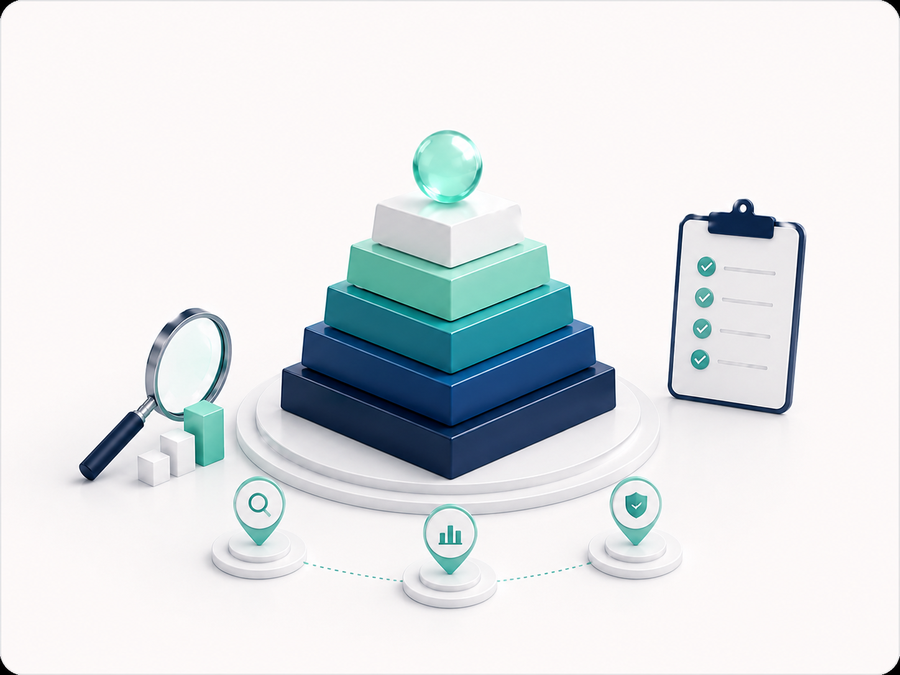
Diagnostics & maturity assessments
Systematically increase the productivity and value of your diagnostics and maturity assessments, through Evalu+ "3D" evaluation management framework and AI-assisted syntheses and optimization roadmaps.
USE CASES
Across consulting diagnostics, operational excellence, maturity assessments, diligence, supplier development, transformation, governance and thematic reviews, Evalu+ adapts to the method, scope and contributors each use case requires, while reducing manual work and keeping evidence, gaps, accountability and roadmaps connected.
Start with one evaluation already on your agenda. No integration project is required to begin.

Systematically increase the productivity and value of your diagnostics and maturity assessments, through Evalu+ "3D" evaluation management framework and AI-assisted syntheses and optimization roadmaps.

Model supply chains of any shape and size. Align every unit around shared goals, compare gaps across the network, and turn weighted evidence into coordinated, AI-assisted improvement roadmaps.
Complement existing governance, risk and compliance systems with flexible readiness assessments. Connect requirements to evidence, gaps, owners and prioritized remediation without forcing the review into a rigid workflow.
Set and regurlarly assess 360-degree qualitative targets for suppliers by sourcing category and region., with maximum efficiency and speed. Reveal gap patterns and translate them into optimized development programs.
Align sites, functions, regions or business units around shared expectations; connect evidence to gaps and accountability; compare performance; and build coordinated improvement roadmaps across phases.
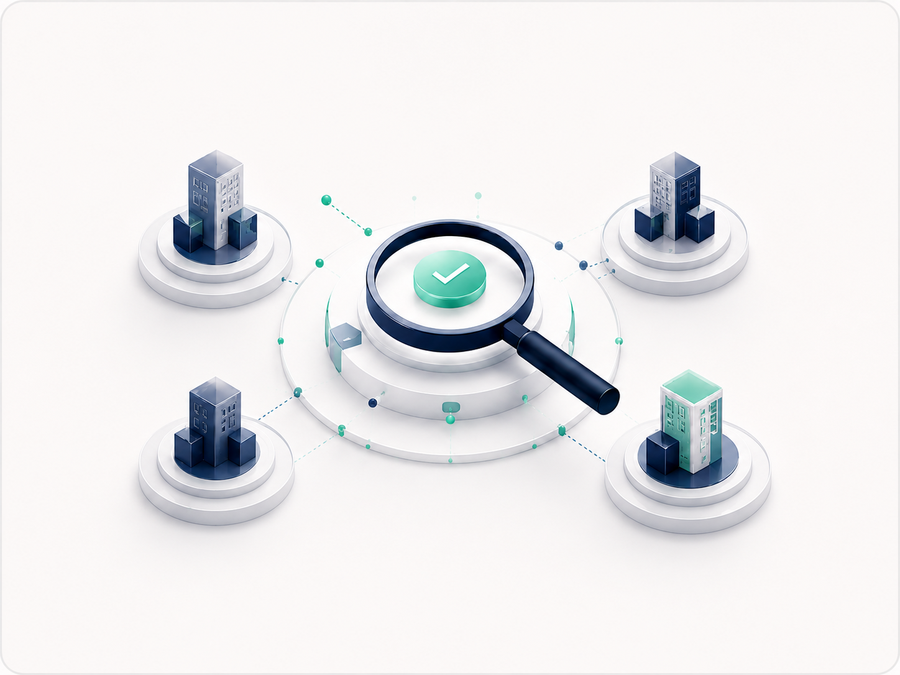
Run cross-functional thematic reviews and maturity-oriented audits that do not fit neatly inside standard audit workflows. Compare units, preserve traceability and turn findings into coordinated action.
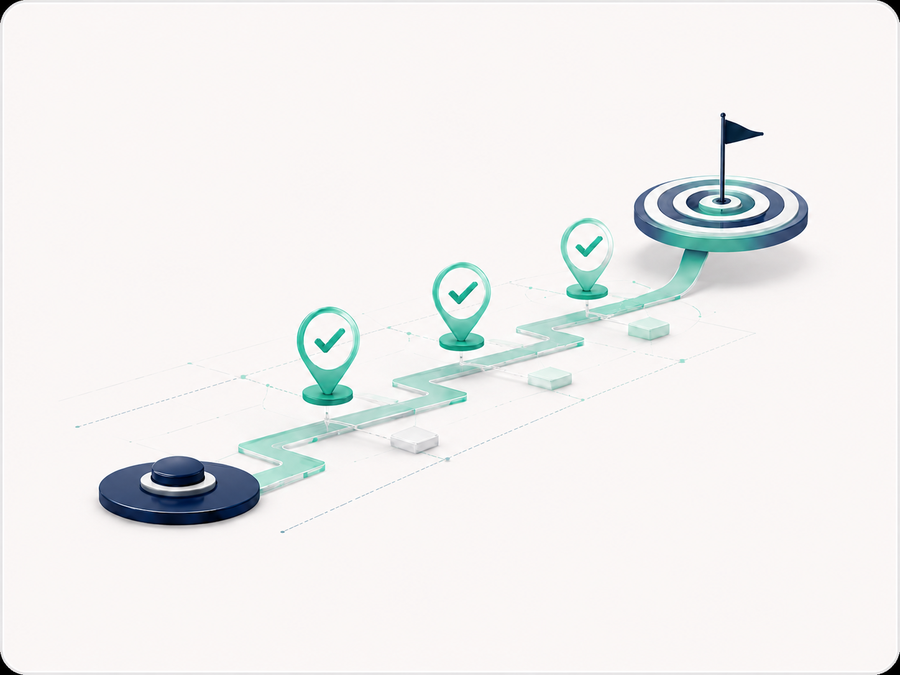
Create an evidence-based view of whether a transformation is on track across workstreams, units and milestones. Surface delivery risks early and coordinate corrective action before momentum is lost.
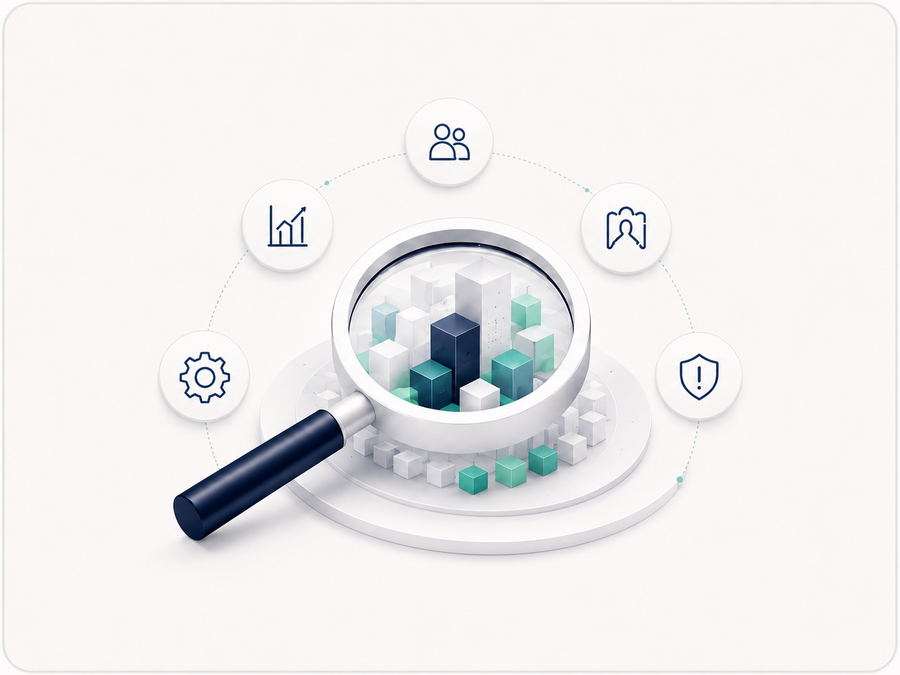
Structure qualitative diligence across functions and entities, keep findings connected to evidence and risk, and convert fragmented workstream outputs into clearer investment decisions and post-close priorities.
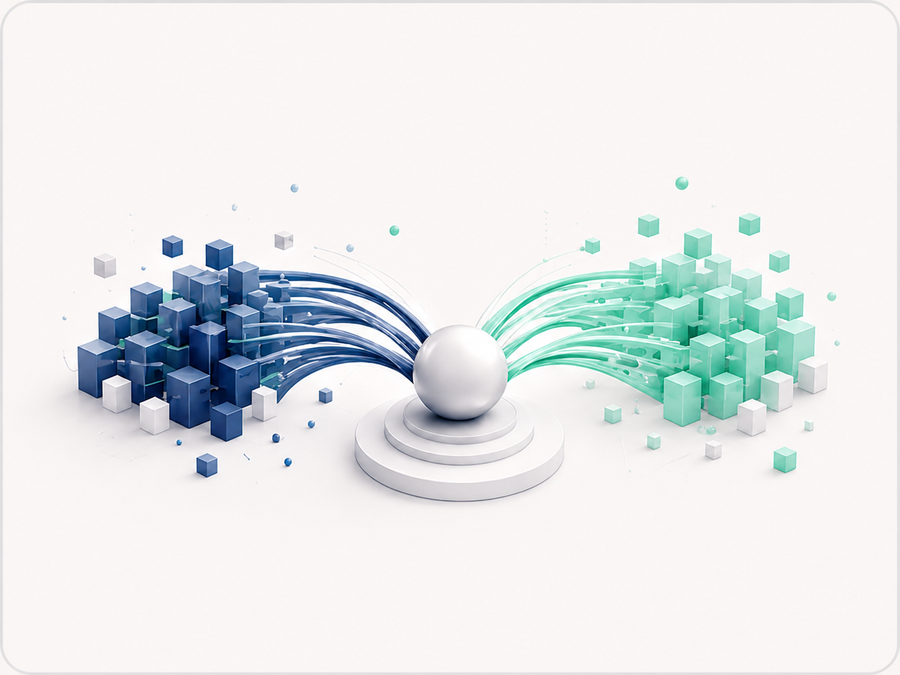
Assess integration readiness and progress across functions, business units and geographies. Expose misalignment, dependencies and ownership gaps, then get assisted by AI to build a coordinated integration roadmap.
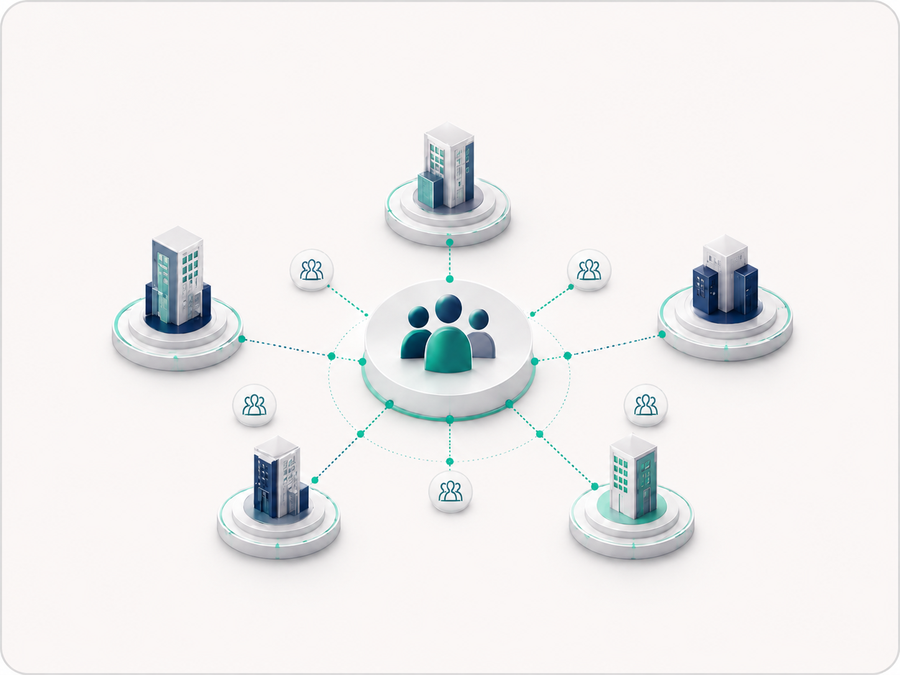
Give members a consistent self-assessment or review experience while keeping each organization’s data separate. Aggregate results for benchmarking, targeted guidance and scalable member support.
BRING ONE REAL USE CASE
Bring an upcoming diagnostic, maturity assessment, diligence review or improvement program, and use the actual method, scope, contributors and desired outputs. We will show how Evalu+ can reduce the work around evaluation and strengthen the evidence, priorities and roadmap that come out of it. Alternatively you can request a free trial preconfigured around one specific use case.